
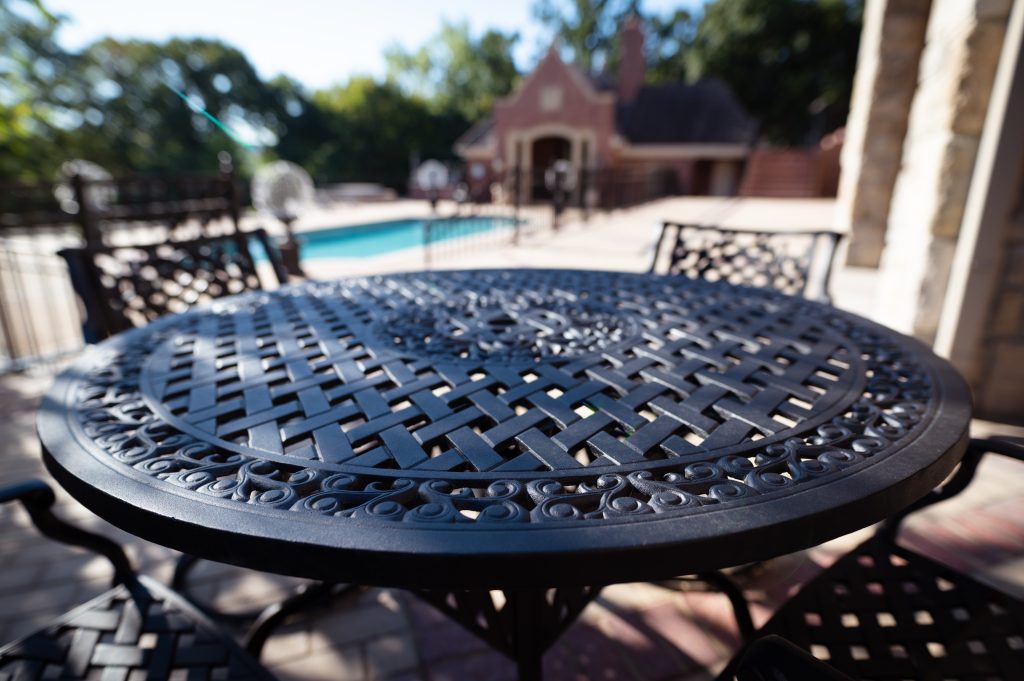
September is the best time to assess your patio furniture before cold weather sets in. A fall inspection catches cracked straps, chipped paint, and loose hardware while there’s still time to schedule repairs. Waiting until November often means your furniture sits damaged all winter instead of getting fixed before the season changes.
Summer is winding down in the Kansas City metro, and the patio that hosted cookouts and pool days all season is about to get a lot less use. That gap between the last warm weekend and the first freeze is exactly when smart homeowners, HOA managers, and property owners get ahead of the damage that piles up during a long Midwest winter. Instead of waiting for furniture to look worse in the spring, a fall check-up catches small problems early and keeps your outdoor space ready for next year.
This guide walks through what to look for during a fall furniture assessment, which repairs make sense to schedule now, and how to protect your investment before the weather turns.
Why Early Fall Is the Right Time to Assess Your Furniture
Early fall gives you a window to spot damage while the weather is still mild enough to do something about it. Waiting until the first cold snap often means rushing repairs or leaving problems until spring, when furniture has already sat through months of freezing and thawing. A September or early October check-up puts you ahead of the curve instead of playing catch-up later.
Think about how your furniture spent the summer. Chairs got moved around the pool deck. Cushions sat out through thunderstorms. Metal frames baked in the sun for months. All of that wear adds up, and most of it doesn’t show until you actually stop and look closely.
Tonganoxie and the surrounding Kansas City area see real temperature swings once fall arrives. Warm afternoons can drop into freezing nights within a matter of weeks. That kind of swing is hard on outdoor furniture, especially pieces that already have small cracks, loose joints, or worn straps. Moisture gets into those weak points, freezes, and expands. What was a minor issue in September can turn into a structural problem by December.
Scheduling a repair now also means your furniture is ready to go the moment spring arrives. Restoration companies tend to get busier as the weather warms up, so getting your furniture in during the fall lull often means faster turnaround and more flexibility on scheduling.
What to Look for During a Fall Furniture Walkthrough
A fall walkthrough should take you room by room, or in this case, chair by chair, checking for the specific kinds of damage that get worse in cold weather. You’re looking for anything that could let moisture in, weaken a structural connection, or has already started to fail. Catching these issues now means a smaller repair instead of a bigger one later.
Start with the frame. Metal furniture, especially older wrought iron or aluminum pieces, should be checked for rust spots, chipped paint, and any place where the finish has worn through to bare metal. Once metal is exposed, rust spreads faster in cold, damp conditions. A small rust spot in September can become a serious corrosion problem by the time spring rolls around.
Next, check the seating surface. Vinyl straps that are cracking, fading, or feel brittle when you bend them are a sign they won’t survive another winter outside. Mesh slings with tears, sagging, or loose stitching should also go on your repair list. Cold weather makes both vinyl and mesh more likely to crack or tear completely, so addressing minor damage now prevents a full failure later.
Don’t skip the hardware. Screws, bolts, and glides on the bottom of chair legs wear out just as much as the visible parts of the furniture. Loose screws let frames flex and wobble, which puts more stress on welds and joints. Missing or cracked glides expose the metal frame to direct contact with concrete or stone, which speeds up rust and corrosion.
Finally, take a look at cushions and fabric accessories. While cushions themselves aren’t something we restore, checking them now helps you decide what needs to be replaced, cleaned, or stored properly before winter weather arrives.
The Case for Restoring Instead of Replacing This Fall
Restoring furniture in the fall almost always costs less than buying new pieces in the spring, and it keeps well-built furniture in use instead of in a landfill. Many outdoor furniture frames, especially from established brands, are built to last for decades. The problem is usually the surface finish or the seating material, not the frame itself.
This matters even more for lake houses, outdoor kitchens, and upscale patios where the furniture was a real investment to begin with. If you spent good money on a quality set years ago, the frame underneath is probably still solid. What’s worn out is the powder coat finish, the vinyl straps, or the mesh sling fabric, all of which can be replaced without touching the structure of the piece.
Restoration services like powder coating and strap replacement extend the life of furniture by ten to twenty years in many cases. That’s a significant return on a fall repair, especially compared to replacing an entire set every few years as newer, lower-quality furniture wears out faster than older, well-made pieces.
There’s also a practical seasonal advantage. Furniture that goes into a restoration shop in the fall typically comes back well before next year’s outdoor season starts. That means no scrambling in April or May to get chairs and tables ready for the first warm weekend, and no gap where your patio sits unusable while repairs are in progress during peak season.
Fall Is Also HOA and Property Budget Season
Fall is when many HOAs, apartment communities, and commercial properties plan next year’s maintenance budget, which makes it a practical time to schedule outdoor furniture restoration. Getting quotes now means restoration costs can be factored into planning before the new budget year begins, rather than showing up as an unexpected expense later.
For community pools, clubhouse patios, and shared outdoor spaces, furniture condition affects how residents and guests feel about the property. Chairs with peeling paint or torn slings send a message that maintenance has been neglected, even if everything else about the property is well kept. Addressing furniture condition in the fall, ahead of budget planning, shows residents and board members that outdoor spaces are being maintained proactively.
Bulk restoration projects, where an entire set of pool furniture or patio seating gets refinished at once, also tend to be more cost-effective than one-off repairs. Fall scheduling gives property managers time to coordinate pickup, restoration, and delivery before spring demand picks up across the industry.
Common Mistakes Homeowners Make When Prepping Furniture for Fall
One of the most common mistakes is assuming furniture is fine just because it still looks okay from a distance. Damage to straps, mesh, and finishes often starts small and isn’t obvious until you get up close or actually sit in the chair. A quick walk past the patio isn’t the same as checking each piece individually.
Another mistake is covering furniture without addressing existing damage first. A furniture cover keeps snow and rain off, but it doesn’t stop rust that’s already started or straps that are already cracked. Covering damaged furniture just means the damage continues under the cover instead of out in the open, and it’s often worse when you uncover everything in the spring.
Some people also wait until furniture completely fails before calling for repairs. A vinyl strap that’s cracked but still holding weight is a smaller fix than a strap that’s completely torn through. Getting ahead of full failure keeps repair costs lower and reduces the chance a chair becomes unsafe to sit in.
It’s also common to overlook furniture that’s tucked into a corner of the patio or stacked in storage. Just because a piece isn’t being used regularly doesn’t mean it’s not deteriorating. Metal furniture stored outside, even under a cover, is still exposed to moisture and temperature swings.
Last, some homeowners try to handle rust removal or refinishing with store-bought products, which often provide only a temporary fix. Surface-level rust treatments and spray paint don’t create the same durable, long-lasting barrier that a professional powder coating process does, which means the problem tends to come back within a season or two.
How Professional Restoration Prepares Furniture for Winter
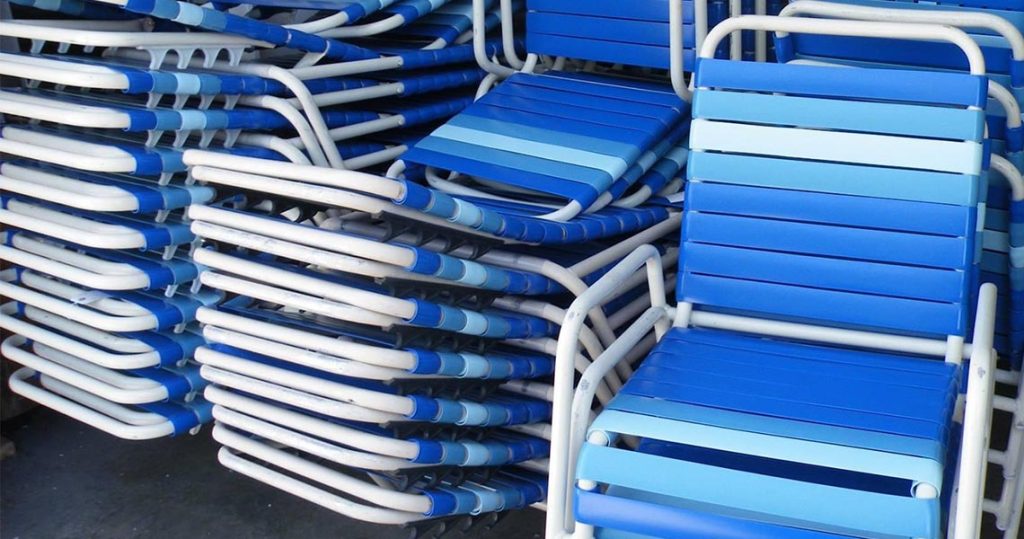
Professional restoration addresses the root cause of wear instead of just covering it up, which is why it holds up through winter weather better than surface-level fixes. A proper powder coating process starts by stripping the old finish completely, then applies a new, durable coating that’s cured to resist chipping, fading, and moisture. That kind of finish is built to handle freezing temperatures and snow exposure without breaking down.
Vinyl strap replacement follows a similar principle. New straps are installed with the correct tension and secured properly, which means they’re less likely to crack under the stress of cold weather. Old, brittle straps are far more likely to snap once temperatures drop, especially if they’re already showing signs of wear going into fall.
Mesh sling replacement works the same way. A worn, sagging sling is more likely to tear once cold weather makes the fabric less flexible. Replacing it before winter means the new material is fully seated and ready to handle the season, rather than trying to hold on through one more round of freezing and thawing.
Getting this kind of restoration done in the fall also means furniture is fully cured and ready before it goes back outside for storage or covered use through winter. A rushed spring repair doesn’t always have the same benefit, especially if a restoration company is dealing with a seasonal rush of orders all at once.
Preparing Furniture for Storage After Restoration
Once furniture has been restored or inspected and cleared for winter, proper storage habits make a real difference in how it holds up until spring. Clean furniture thoroughly before storing it, since dirt and debris left on the surface can trap moisture against the finish or fabric.
If furniture will stay outside through winter, a breathable, waterproof cover is a better choice than a tarp, which can trap condensation underneath. For furniture headed into a garage, shed, or covered storage area, keeping pieces off the ground with pallets or blocks helps prevent moisture from wicking up from a cold concrete floor.
Cushions and any removable fabric accessories should come inside for the winter regardless of how the furniture frames themselves are stored. Moisture and cold are hard on fabric, and storing cushions indoors keeps them ready to use again once warm weather returns.
Frequently Asked Questions
How do I know if my patio furniture needs restoration or replacement?
If the frame is solid and free of major structural damage, restoration is usually the better option. Surface issues like chipped paint, rust spots, cracked straps, or torn mesh can all be repaired without replacing the entire piece, which saves money compared to buying new furniture.
How long does furniture restoration take in the fall?
Turnaround time depends on the scope of the project, but fall is typically less busy than spring, which often means faster scheduling. Getting furniture in early in the season gives it the best chance of being ready well before next year’s outdoor season begins.
Can rusted metal furniture actually be saved?
In most cases, yes. Rust on the surface doesn’t necessarily mean the frame is compromised. Professional powder coating removes the old finish down to bare metal, addresses the rust, and applies a new protective coating that resists future corrosion.
Is it better to store furniture outside or bring it indoors for winter?
Indoor or covered storage is always the safer option if space allows, especially for cushions and fabric pieces. If furniture must stay outside, a proper waterproof cover and elevating pieces off the ground helps reduce damage from moisture and freezing temperatures.
Do commercial properties need a different approach than individual homeowners?
The core principles are the same, but commercial and HOA properties often benefit from scheduling bulk restoration projects rather than handling pieces one at a time. Planning restoration during fall budget season also helps property managers account for the cost ahead of time.
Get Your Furniture Ready Before Winter Arrives
A fall furniture check-up is one of the easiest ways to protect your investment before cold weather sets in. Taking the time now to spot cracked straps, chipped finishes, and loose hardware means smaller, more affordable repairs instead of bigger problems once winter has taken its toll. Whether you’re getting a single patio set ready for the season or coordinating restoration for an entire community pool area, early fall is the right time to start.
New Again Outdoor Furniture Restoration helps homeowners, HOAs, and property managers throughout Tonganoxie and the greater Kansas City metro get their outdoor furniture ready for whatever the season brings. From powder coating that protects metal frames through winter to vinyl strap and mesh sling replacement that holds up under cold weather stress, every part of the restoration process happens in house. Kansas winters are hard on outdoor furniture, and we’re here to make sure your patio set is ready to go the moment warm weather returns. Request your free quote today and let’s get your furniture ready for the season change.