
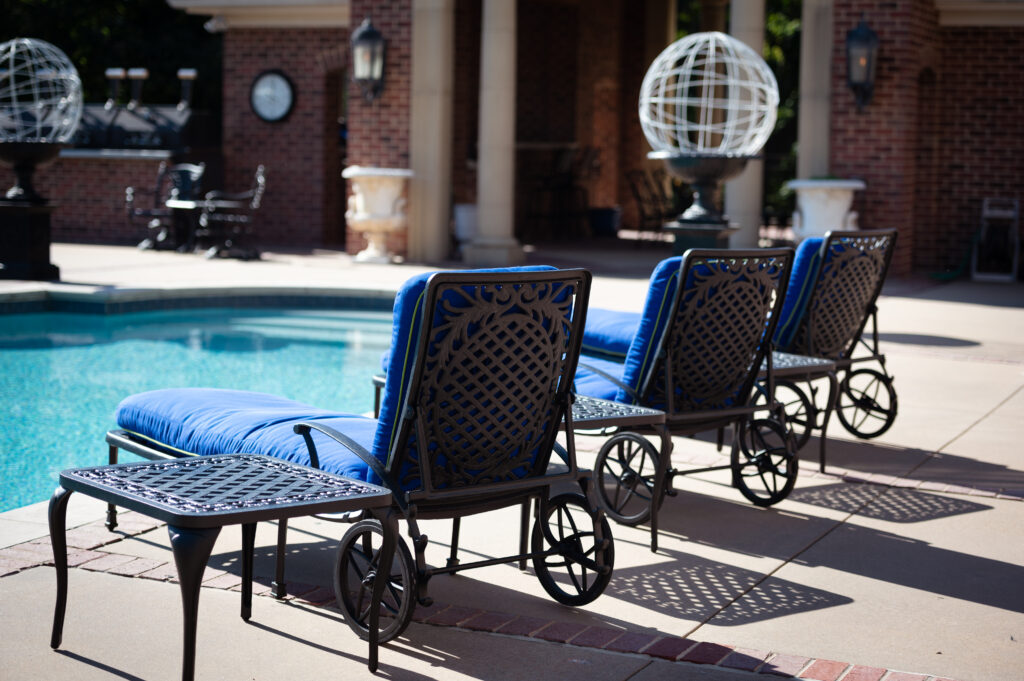
Getting pool and patio furniture summer-ready means checking for sun damage, tightening loose frames, cleaning fabric and mesh slings, and addressing rust or chipped paint before guests arrive. A few hours of prep now can save your furniture from months of additional wear during the busiest outdoor season of the year. With July 4th cookouts and lake weekends right around the corner across Tonganoxie and the Kansas City metro, now is the time to take a close look at the chairs, loungers, and tables that have been sitting through a Kansas winter.
Why Early Summer Is the Best Time to Check Your Outdoor Furniture
The weeks leading up to July are when outdoor furniture problems become impossible to ignore. Furniture that sat outside through a Kansas City winter often shows signs of stress from freezing temperatures, moisture, and months of neglect. Spotting these issues now, before the cookout season hits full swing, gives time to fix them properly instead of scrambling the morning of a party.
Cold weather is hard on outdoor furniture in ways that aren’t always obvious. Metal frames can develop small rust spots that spread quickly once the humid Kansas summer arrives. Vinyl straps that were already weakening may have become brittle from the cold, and mesh slings can lose tension over winter, leaving chairs that sag more than they did last summer.
Waiting until the week of a big event to inspect furniture is one of the most common mistakes homeowners and property managers make. By then, fixing a torn sling or repainting a rusted frame often isn’t realistic on short notice. Starting early means there’s enough time to handle repairs the right way.
What to Inspect Before Hosting a Cookout
A thorough furniture inspection before summer entertaining should cover four main areas: frames, fabric or mesh, hardware, and cushions. Each of these components ages differently, and catching small problems early prevents bigger headaches later in the season.
How Do You Check Metal Frames for Damage?
Checking metal frames means looking for rust spots, chipped paint, and any wobbling or instability in the structure. Run a hand along the legs, arms, and joints of each chair or table to feel for rough spots where paint has worn away. These bare metal areas are where rust takes hold first, especially in humid Kansas summers.
Pay close attention to where the legs meet the ground and where joints are welded or bolted together. These stress points take the most pressure over time and are often the first to show wear. A frame that wobbles more than it used to is usually a sign the joints have loosened from repeated use or temperature changes.
Chipped or faded paint isn’t just a cosmetic issue. Once the protective coating is gone, the metal underneath is exposed to moisture and oxygen, which speeds up rusting. A frame with widespread rust or chipping is a good candidate for powder coating, which restores both the look and the protective barrier in one step.
What Should You Look for in Vinyl Straps and Mesh Slings?
Vinyl straps and mesh slings should be checked for cracking, fading, sagging, and any tears along the seams or edges where they attach to the frame. Press down gently on the seat of each chair to see how much it gives. A strap or sling that sags significantly or feels loose has likely stretched beyond its useful life.
Look closely at the edges where the material wraps around the frame. This is where vinyl straps tend to crack first, since they bend and flex in the same spot every time someone sits down. Mesh slings often show wear at the corners or along stitched seams, where repeated tension pulls at the fabric.
Sun exposure is the biggest factor in how quickly these materials break down. A chair that sits in direct sunlight all day will show fading and brittleness much faster than one kept in a shaded corner of the patio. If straps feel stiff or brittle, or the color has noticeably faded compared to when the furniture was new, vinyl strapping or mesh sling replacement can bring that furniture back to a comfortable, attractive condition.
Are Bolts, Hinges, and Glides Holding Up?
Hardware like bolts, hinges, and glides should turn smoothly, sit flush against the frame, and show no signs of rust or stripping. These small parts are easy to overlook, but they play a big role in how stable and safe a piece of furniture feels.
Loose bolts are one of the easiest fixes on this list, and tightening them takes just a few minutes with the right tool. Hinges on folding chairs or umbrellas should open and close without grinding or sticking. A small amount of outdoor-safe lubricant often solves a stuck hinge.
Glides, the small plastic or rubber pieces on the bottom of furniture legs, protect both the furniture and the patio surface underneath. Missing or worn glides can scratch concrete or pavers and may cause furniture to wobble on uneven ground. Replacing these is inexpensive and helps furniture sit level again.
How Do You Clean and Refresh Cushions and Fabric?
Cleaning outdoor cushions and fabric starts with a thorough vacuum to remove dirt and debris, followed by a wash using mild soap and water, then a full air dry before reuse. Mildew is the most common issue after a damp winter, often showing up as dark spots or a musty smell.
For mildew stains, a mixture of water and white vinegar applied with a soft brush works well on most outdoor fabrics. Avoid soaking cushions completely, since trapped moisture inside the foam can lead to mold growth that’s much harder to remove later. After cleaning, stand cushions on their sides in direct sunlight, which helps kill remaining mildew spores and speeds up drying.
If cushion covers are removable, check the care label before washing. Some outdoor fabrics can go through a gentle cycle in the washing machine, while others need to be hand washed to avoid damaging waterproof coatings.
Common Mistakes That Lead to Bigger Repairs Later
Using harsh cleaning products on vinyl straps and mesh slings is one of the biggest mistakes homeowners make. Bleach and strong chemical cleaners break down these materials faster, causing cracking and fading sooner than normal sun exposure alone.
Stacking furniture incorrectly during storage is another common issue. Chairs stacked without padding between them can scratch powder-coated finishes or put uneven pressure on slings and straps, creating weak points that fail later in the season.
Many people also patch a torn sling or strap with tape or glue as a temporary fix and forget about it. These quick fixes rarely hold up under regular use and often make the eventual repair more difficult, since adhesive residue can be hard to remove from the frame.
Some homeowners assume that any rust means the furniture needs to be replaced entirely. In most cases, rust on a quality frame from brands like Homecrest, Tropitone, Brown Jordan, Winston, or Woodard can be fully removed and the piece refinished to look new again. Replacing well-built furniture over surface rust often costs far more than restoring it.
When to Consider Restoration Instead of Quick Fixes
Restoration becomes the better choice when furniture shows widespread rust, multiple torn or sagging slings, or fading across an entire set rather than just one or two pieces. At that point, spot repairs start to feel like a never-ending project, and a full restoration gives every piece a consistent, like-new finish.
This is especially true for furniture from well-known brands. A quality frame that’s structurally sound but cosmetically worn down is a strong candidate for restoration rather than replacement. Built from durable materials designed to last decades, a good frame can outlive several rounds of straps, slings, or paint when properly cared for.
For larger properties, like apartment communities, neighborhood pools, or clubhouses, restoration also makes sense from a scheduling standpoint. Coordinating pickup and delivery for an entire set of pool furniture is far more efficient than repairing pieces one at a time while residents are using them.
Getting Furniture Ready for Outdoor Spaces That See Heavy Use
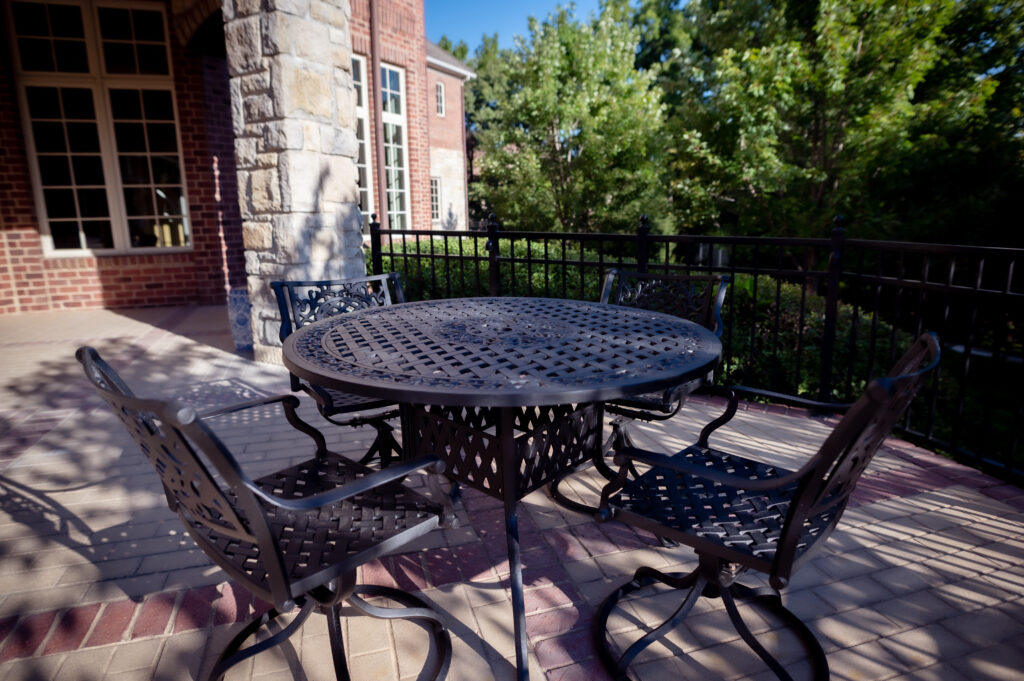
Furniture in shared spaces, like apartment pools, community center patios, or HOA common areas, takes a different kind of wear than a backyard set. More people means more frequent use, which speeds up the breakdown of straps, slings, and finishes.
Apartment communities often deal with furniture used daily by dozens of residents and their guests, so a summer checklist for these spaces should put extra focus on loose bolts, since high turnover use puts more stress on hardware than a typical residential setting.
Community and recreation centers face similar challenges, often with furniture sitting poolside in direct sun for most of the day. These pieces benefit from more frequent inspections throughout the summer, not just one check before the season starts.
For homeowners associations managing shared patio areas around Tonganoxie and the wider Kansas City metro, a coordinated restoration before the season starts can refresh an entire common space at once, giving residents a consistent look across all the furniture.
Frequently Asked Questions
How long does outdoor furniture restoration take?
Restoration timelines depend on the size of the project and the type of repair. A small batch of chairs needing new straps or slings can often be turned around faster than a full set requiring powder coating, since coating involves stripping, prepping, and curing each piece.
Can rusted metal patio furniture be saved?
Yes, in most cases rusted metal furniture can be fully restored through powder coating. The process strips the old finish down to bare metal, then applies a new protective coating that’s often more durable than the original.
What’s the difference between vinyl strapping and mesh slings?
Vinyl strapping refers to the woven plastic bands used on many lawn chairs and loungers, while mesh slings are the fabric-style material used on chairs with a more contoured seat design. Both wear out over time from sun exposure and regular use, and both can be replaced without a new frame.
Is it worth restoring furniture from brands like Tropitone or Brown Jordan?
Yes, premium brands like Tropitone, Brown Jordan, Homecrest, Winston, and Woodard are built with frames designed to last for decades. Restoring the straps, slings, or finish on these pieces is typically far less expensive than replacing the entire set.
How often should pool furniture be checked for wear?
Pool furniture that gets daily use should be checked at least twice during the season, once before it starts and again midway through. Furniture exposed to constant sun and pool chemicals tends to show wear faster than furniture in shaded areas.
Ready for the Season Ahead
A little time spent checking frames, straps, slings, and cushions now means outdoor furniture will hold up through every cookout, pool day, and lake weekend this summer. Small issues, like a loose bolt or a fading strap, are quick fixes. Bigger issues, like widespread rust or torn slings across an entire set, are where restoration makes the most sense.
New Again Outdoor Furniture Restoration works with homeowners, HOAs, apartment communities, and recreation centers throughout the Kansas City metro to bring tired outdoor furniture back to life through powder coating, vinyl strap replacement, and mesh sling repair. Whether it’s one chair or an entire patio set, getting furniture summer-ready is easier with a restoration plan built around the specific pieces that need attention. Questions? Contact us through our website.